The Season in Brief
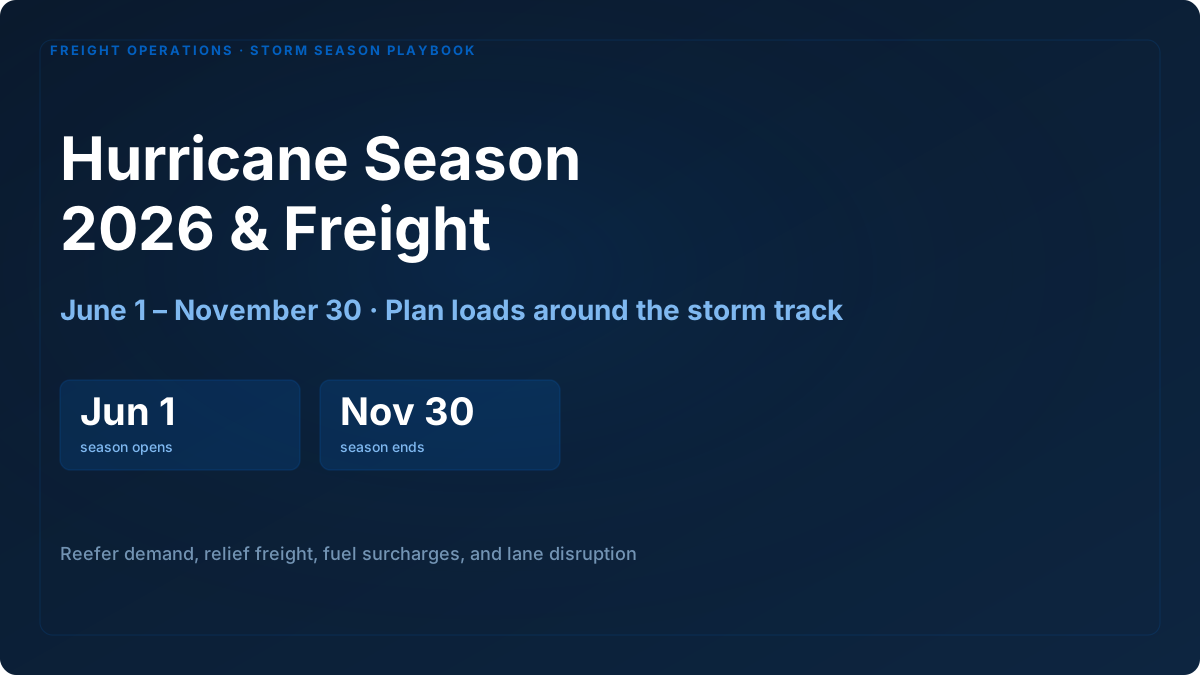
Every June, freight picks up a new variable: the weather. The Atlantic hurricane season runs June 1 through November 30, with the most intense activity usually from mid-August to late October. For carriers running the Gulf Coast and Southeast, it's one of the biggest swings in demand all year.
NOAA's Climate Prediction Center publishes its seasonal outlook in late May. For 2026, the outlook leans quieter — but the freight impact is driven less by the headline storm count and more by where individual storms make landfall. The smart move is to watch the track, not just the season forecast.
Jun 1 – Nov 30
Official season
8–14
Named storms (NOAA 2026)
3–6
Hurricanes forecast
1–3
Major (Cat 3+)
“Below-Normal” Doesn't Mean No Risk
NOAA's 2026 outlook puts roughly a 55% chance on a below-normal season, with El Niño expected to develop and slightly warmer-than-normal Atlantic waters. That sounds reassuring — but forecasters are blunt about the catch: it only takes one storm. A single major hurricane making landfall in a freight-dense corridor can reshape capacity and rates for weeks, regardless of how quiet the rest of the season is.
For a carrier, the practical takeaway is that “below-normal” is a planning input, not a reason to ignore the season. The lanes that get hit don't care about the average.
How a Storm Reshapes Freight
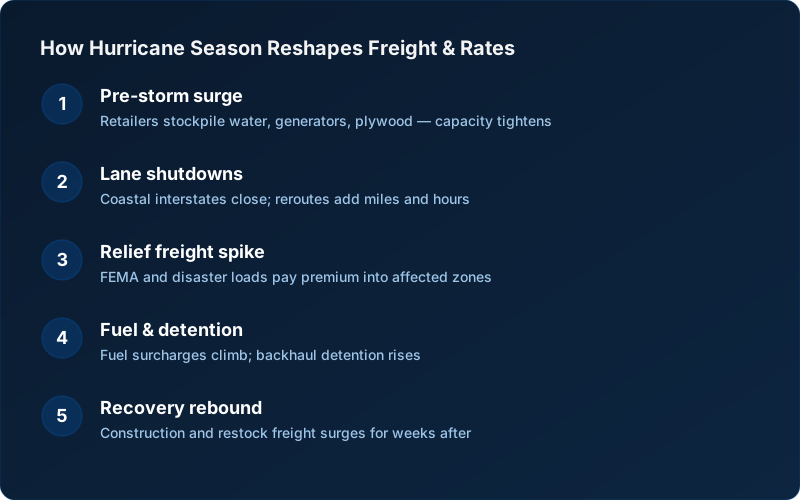
A landfalling hurricane moves freight markets in distinct phases, and each one changes what's available and what it pays:
- Pre-storm surge. Retailers and consumers stockpile water, generators, plywood, and groceries. Capacity tightens as freight floods into the threatened region.
- Lane shutdowns. Coastal interstates and bridges close; reroutes add miles and hours, and some lanes go dark entirely.
- Relief freight spike. Emergency and FEMA loads pay a premium into the affected zone where capacity is scarce.
- Fuel & detention pressure. Fuel surcharges climb and detention rises as facilities deal with disruption and power outages.
- Recovery rebound. For weeks after, construction materials, appliances, and restock freight surge as the region rebuilds.
How to Run It Safely — and Profitably
The carriers who come out ahead during hurricane season aren't the ones who gamble — they're the ones who plan around the track and keep their options open.
- Top off fuel ahead of forecast storms — shortages hit fast.
- Monitor NOAA and state DOT closures before and during a run.
- Never enter flooded, closed, or evacuation-restricted routes for a load.
- Build extra time into delivery windows; detention and reroutes are common.
- Consider relief lanes if you're equipped and the route is safe — they pay a premium.
Know your cost per mile before you accept storm-week freight, and have someone watching the market in real time so you can pivot when a lane closes or a premium load opens up.
The Bottom Line
The 2026 Atlantic season may run quieter than recent years, but freight disruption is local: one storm in the wrong place tightens capacity and lifts rates across a region. Plan around the track, keep your truck and paperwork ready, and treat relief freight as an opportunity only when the route is safe.
Want a dispatcher watching rates and capacity when the weather turns? Talk to our team — no contracts, no setup fees, just a clear read on where the freight is paying best right now.
Related Resources
- International Roadcheck 2026 — Be inspection-ready before the busy season
- Diesel Price Outlook 2026 — Where fuel costs are heading
- Best Freight Lanes 2026 — Where the freight is paying
- How Truck Dispatch Works — What a dispatcher actually does for you
- Cost Per Mile Calculator — Know your floor before you negotiate