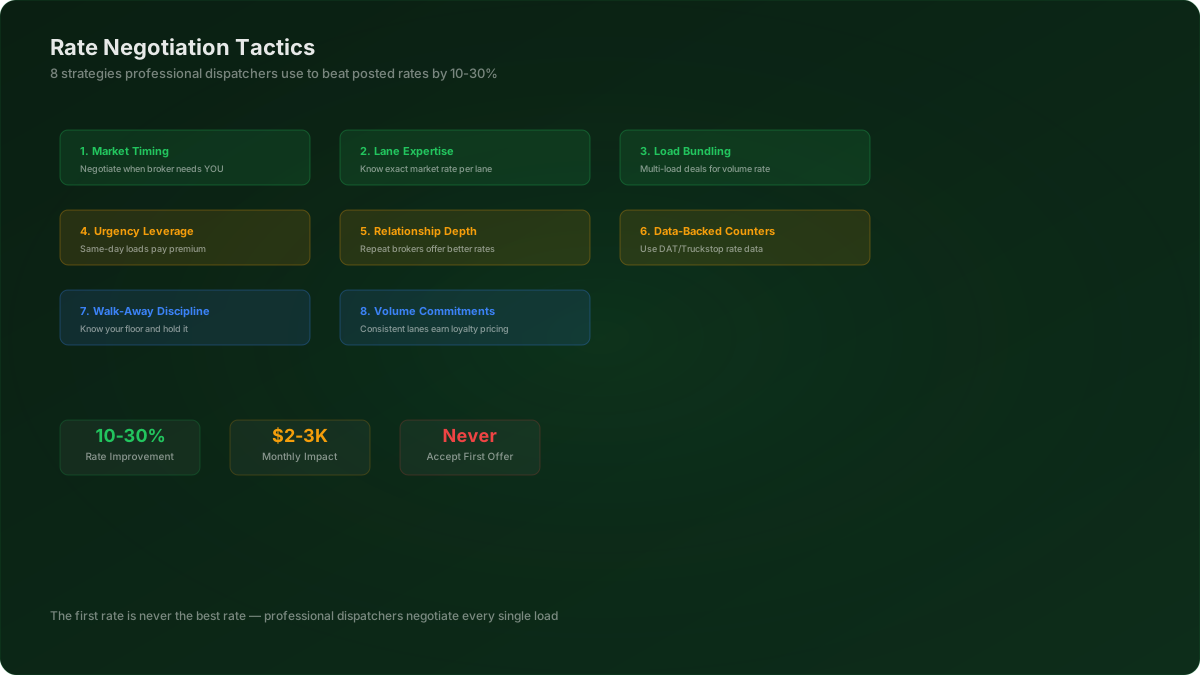
Why Rate Negotiation Matters More Than You Think
A $0.25 increase per mile doesn't sound like much. But on 10,000 monthly miles, that's $2,500 more per month — $30,000 per year. The difference between mediocre and excellent rate negotiation is often the difference between a struggling operation and a thriving one.
Most carriers leave significant money on the table by accepting first offers, not understanding market rates, or lacking the negotiation skills to push back effectively. Professional dispatchers close this gap.
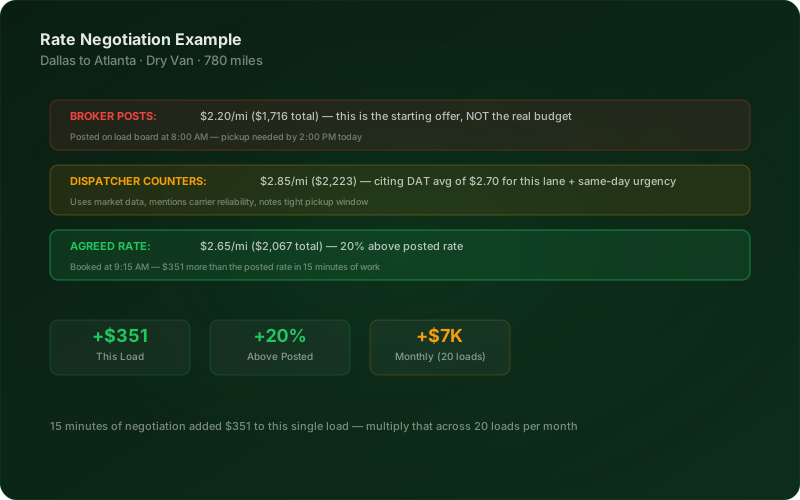
8 Tactics Professional Dispatchers Use
Know the Market Rate Before Calling
Before contacting a broker, professional dispatchers check current market rates for that specific lane using DAT RateView, Truckstop, or internal data. Walking into a negotiation knowing the market rate (and the rate range) gives you a factual basis for your counter-offer.
Never Accept the First Offer
The initial rate posted on a load board or quoted by a broker is almost never the best available price. It's the broker's opening position. Even a simple "What's the best you can do on this?" often yields an immediate increase. Most loads have 10-30% room.
Use Urgency as Leverage
Loads that need to ship today, during peak seasons, or in bad weather carry negotiation leverage. If a broker posts a load at 3 PM for next-day pickup, they need capacity now. Professional dispatchers monitor for these urgency signals and capitalize on them.
Leverage Equipment Scarcity
"I have a flatbed available in [city] right now" is a powerful opening when flatbed capacity is tight in that area. Dispatchers know when and where their equipment type is scarce and position their carriers to take advantage of supply-demand imbalances.
Build Broker Relationships
Dispatchers who regularly deliver on-time with no issues build trust with specific brokers. That trust translates to preferred rates, first access to premium loads, and brokers calling them directly with high-paying freight before posting it publicly.
Present Your Carrier's Strengths
Clean safety record? Onboard cameras? 98%+ on-time delivery? These matter to brokers and shippers. Professional dispatchers build a "carrier profile" highlighting your strengths and use them as negotiation leverage for premium rates.
Negotiate Total Value, Not Just Rate
Sometimes the rate won't move, but other terms will. Smart dispatchers negotiate for: shorter payment terms (Net 15 vs Net 30), detention pay guarantees, fuel surcharge increases, lumper fee reimbursement, and pre-loaded trailers to minimize wait time.
Know When to Walk Away
The most powerful negotiation tool is the willingness to decline a load. Dispatchers who know their carrier's cost per mile and minimum acceptable rate can confidently walk away from below-market loads. This discipline protects your bottom line and signals to brokers that you won't accept lowball offers.
What You Can Do to Support Better Rates
Whether you self-dispatch or use a service, these actions help you command higher rates:
Maintain a Clean CSA Score
Brokers and shippers check safety scores before booking. Clean scores = access to premium freight that pays more.
Deliver On Time, Every Time
Reliability is the #1 factor brokers cite when explaining why they pay certain carriers more. Build a reputation for dependability.
Know Your Cost Per Mile
You can't negotiate effectively if you don't know your breakeven. Use our Cost Per Mile Calculator to know your floor.
Be Flexible on Timing
Carriers willing to adjust pickup/delivery windows by a few hours often get access to higher-paying loads that rigid schedules miss.
The Compound Effect of Better Rates
Small rate improvements compound dramatically over time:
+$0.10/mi
$12,000
extra per year
+$0.25/mi
$30,000
extra per year
+$0.50/mi
$60,000
extra per year
Based on 10,000 miles/month
Related Tools & Resources
- Cost Per Mile Calculator — Know your breakeven rate before every negotiation
- Deadhead Calculator — Factor empty miles into your rate decisions
- DAT RateView — Market rate data for lane-specific pricing
- Our Pricing — See our transparent dispatch fee structure
Truck Dispatch Experts
Published Aug 22, 2025 · Updated Jan 25, 2026